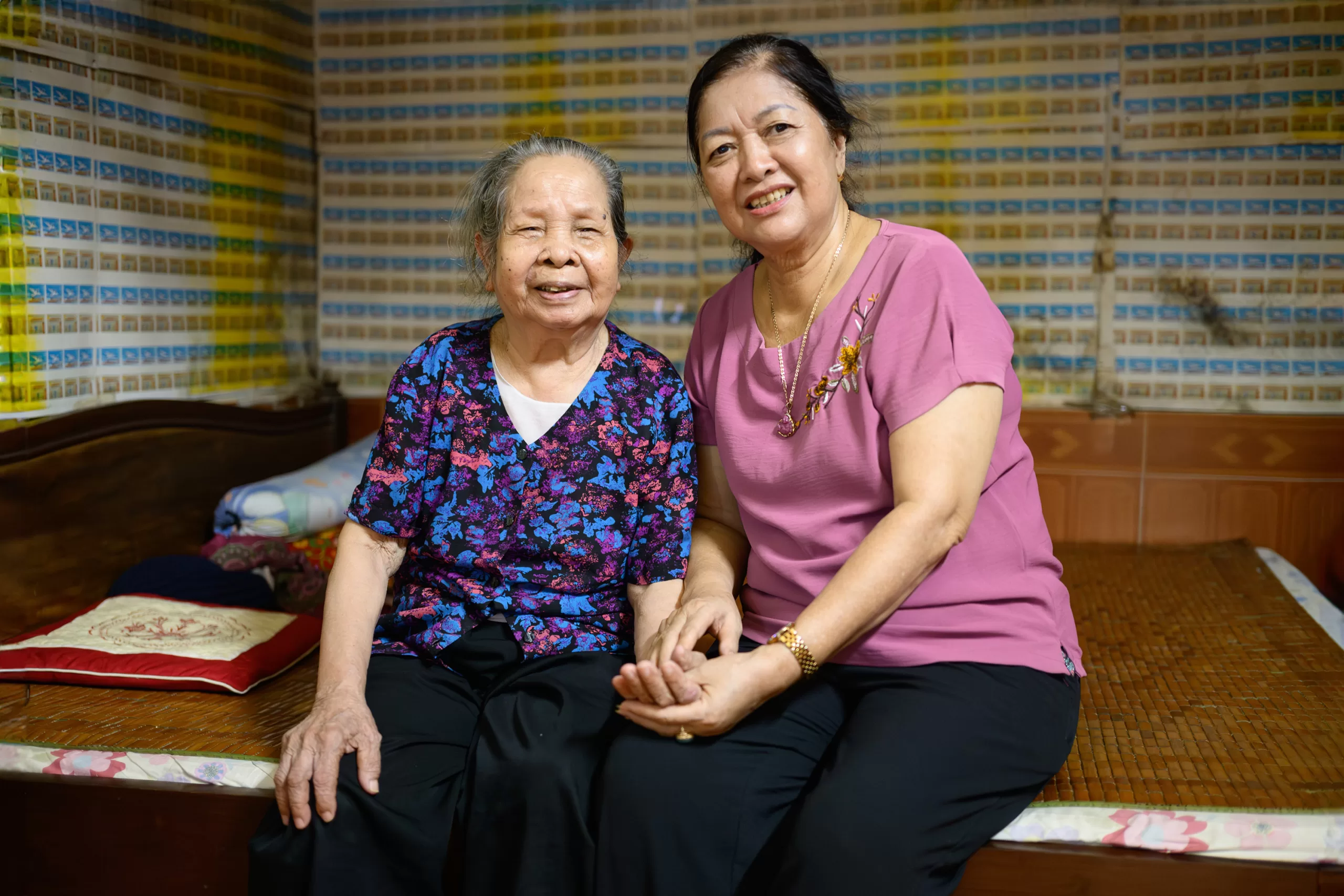
For generations, society has viewed ageing as an irreversible downward spiral of physical and cognitive health. However, a groundbreaking study from the Yale School of Public Health has completely shattered this outdated stereotype, offering a hopeful new perspective on the resilience and recovery capabilities of older adults.
Ageing is Not a One-Way Street of Deterioration
The Yale study reveals that, contrary to the widespread belief that cognitive and physical functions decline linearly with age, a substantial number of older adults experience significant periods of improvement and recovery over time.
Particularly in the realm of brain health, the research demonstrates that a large percentage of older adults previously diagnosed with Mild Cognitive Impairment (MCI) actually regained normal cognitive function. This proves that the human brain and body in later life retain a powerful capacity for healing and regeneration when supported by the right environment.
The Power of Positive Age Beliefs
One of the most profound findings from the Yale scientists is the direct correlation between how individuals perceive ageing and their rate of health recovery.
- Positive Mindset as an Invisible Medicine: Older adults who hold positive age stereotypes — viewing later life as a time for continued growth, contribution, and enjoyment — are up to 30% more likely to recover from cognitive impairment compared to those with negative mindsets.
- The Mechanism of Impact: Positive beliefs effectively lower chronic stress levels, encourage older adults to engage in physical activities, foster social connections, and motivate them to learn new skills. This active lifestyle stimulates neuroplasticity, keeping the brain sharp and resilient.

Strategic Implications for Vietnam
The insights from the Yale study serve as solid scientific backing for the "Active Ageing" model that VIOBA is passionately pioneering in Vietnam. To translate these scientific findings into impactful reality, our society must focus on three pillars:
- Combating Ageism: We must stop viewing older persons as burdens or passive recipients of welfare. Instead, we need to create institutional and social spaces where they can continue to assert their value.
- Expanding Access to Digital Literacy and Brain Health Programs: Initiatives that teach digital skills, smartphone mastery, and cognitive exercises do more than just connect older adults with their families—they are scientifically proven methods to enhance cognitive health daily.
- Fostering Inclusive Communities: Encouraging older adults to participate in community-based networks and intergenerational platforms keeps them socially integrated, physically active, and mentally stimulated.
Conclusion
Growing old is a natural process, but whether that journey is defined by decline or improvement depends heavily on our mindset and social support systems. At VIOBA, we are dedicated to developing sustainable solutions and services that empower older Vietnamese adults to embark on a vibrant, dignified, and active chapter of their lives.